Hand care after a long nursing shift
After a shift of constant handwashing, sanitizer and gloves, the routine that tends to work is simple: during the shift, a light hand cream that suits your workplace; after the shift, a richer cream or balm on clean, slightly damp hands; at bedtime, one more thicker layer. The heavier the product, the more it belongs at home.
Our balm was created by a nurse practitioner who saw the same hands every day: washed, gloved and washed again. This is the routine we'd suggest to a colleague.
Why hands get so dry on shift
- Frequent washing. Water and cleansers remove the oils that keep skin comfortable.
- Sanitizer. Used dozens of times a shift, it adds up, especially on skin that's already dry.
- Gloves. Hands stay warm and closed in for hours, then go straight back to washing.
- No time. There is rarely a minute to put anything on, and there is no point if gloves go back on in five minutes.
A routine for the three parts of the day
| When | What helps | Texture |
|---|---|---|
| During the shift | Follow your workplace's hand hygiene policy. Use the hand cream it allows, between tasks, when hands are dry. | Light, fast-absorbing, fragrance-free |
| After the shift | Wash with a gentle cleanser, pat dry and apply while skin is still slightly damp. | Rich cream or balm |
| At bedtime | A second, thicker layer on the backs of the hands, knuckles and around the nails. Cotton gloves on top, if you like. | Balm |
The American Academy of Dermatology suggests:
- apply moisturizer when skin is still damp, after washing your hands and whenever it feels dry;
- creams and ointments add more moisture than lotions;
- products labeled "fragrance-free" are gentlest for dry, sensitive skin;
- wear gloves for dishes and other wet chores at home.
Why we keep our balm for after work
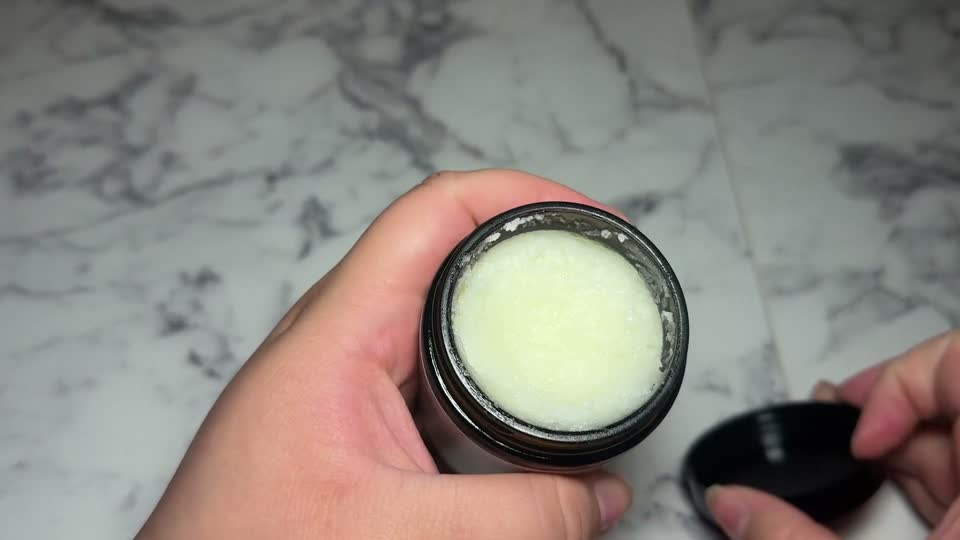
Oil-based products can weaken latex gloves, and a rich balm takes a few minutes to settle. So during a shift, use what your workplace recommends. Our balm is for the moment you get home: a small amount, warmed between the palms and pressed into the backs of the hands, knuckles and cuticles.
A note on scent: the balm has a fresh, herbal scent from real tea tree and peppermint oil, with a touch of vanilla. It settles within a few minutes. If scents bother your skin, choose a fragrance-free product instead.
Small habits that help
- Pat hands dry instead of rubbing them.
- Keep a jar where you'll see it: by the front door, on the nightstand, in the car.
- Wear gloves at home for dishes and cleaning.
- Run a humidifier in the bedroom during the dry months.
For everyday washing at home, see also: Hands washed. A little care next.
FAQ
Can I use a balm during my shift?
It's better not to. Oil-based products can weaken latex gloves, and a balm needs a few minutes to settle. Keep it for after work and bedtime, and follow your workplace's hand hygiene policy on shift.
How much should I use?
A pea-sized amount covers both hands. Warm it between your palms first.
Does the scent stay on my hands?
It's noticeable when you apply it and settles within a few minutes.
What's in it?
Eight ingredients: shea butter, coconut oil, castor oil, tea tree oil, peppermint oil, beeswax, citric acid and ethyl vanillin. No water, no glycerin, no fillers, no preservatives, no parabens, no dyes.
What if my hands crack or bleed?
Talk to occupational health or a healthcare professional. Skin that cracks or bleeds needs more than a routine.
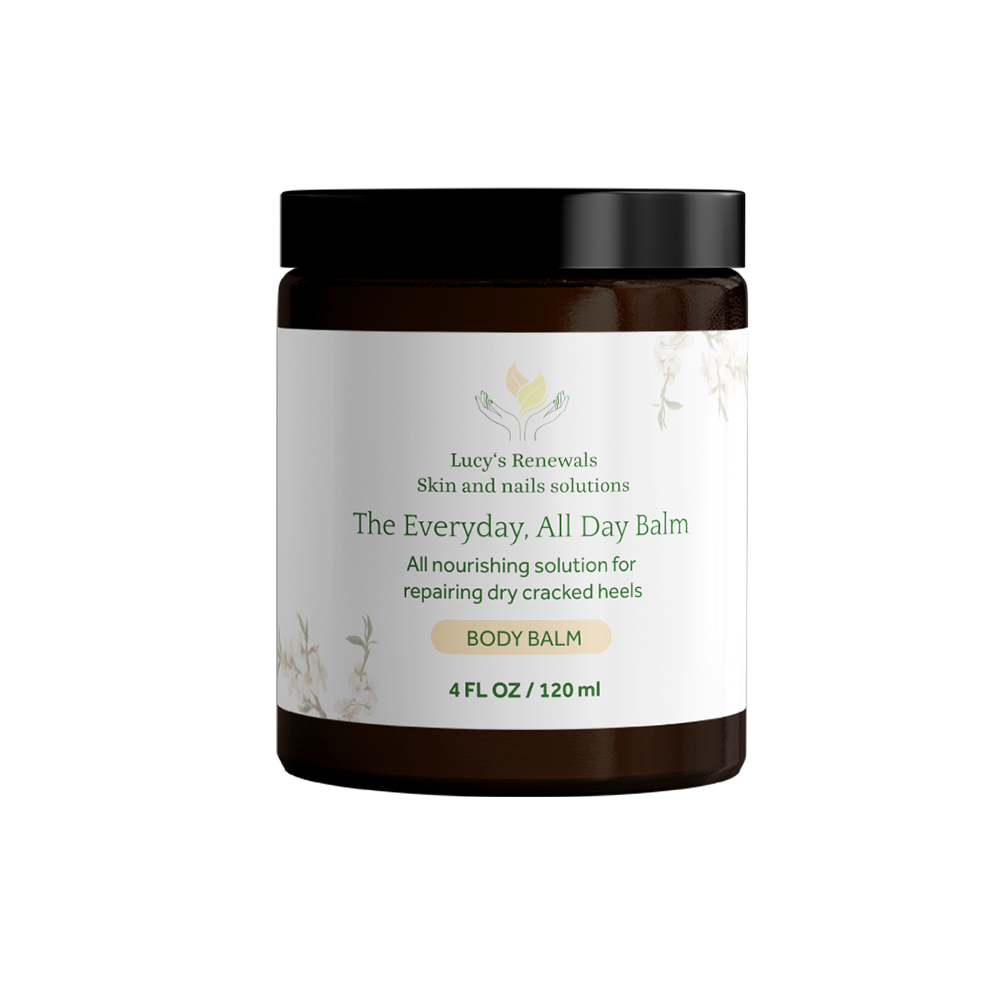
The Everyday, All Day Balm: water-free, 8 ingredients. One 4 fl oz jar gives most people more than three months of care, depending on use. Created by a nurse practitioner; a small business in South Florida. See the balm